Kitchen Countertop Materials Compared: Cost, Durability and Upkeep
Laminate, butcher block, quartz, granite, quartzite and more compared by price level, durability, maintenance and best use, with a worked cost example.
Laminate and butcher block are generally the most affordable countertop materials, solid surface and quartz sit in the middle, and natural stone such as granite, quartzite and marble covers a wide range up to the high end. The best choice depends on how you cook, how much maintenance you will tolerate and how long you plan to stay. This guide compares the common options by relative cost, durability and upkeep, and shows how to estimate your own countertop budget.
Prices are described in relative terms and in illustrative examples because slab pricing, fabrication and installation vary by region and by individual stone.
Comparison at a glance
| Material | Relative price level | Heat resistance | Stain and scratch behavior | Upkeep | Notes |
|---|---|---|---|---|---|
| Laminate | Low | Low; can scorch or bubble | Can chip and scratch; seams visible | Very easy | Wide range of patterns; hard to repair |
| Butcher block (wood) | Low to medium | Moderate; avoid hot pans | Scratches and stains, but can be sanded | Oiling or sealing needed | Warm look; sensitive to standing water |
| Solid surface | Medium | Moderate | Scratches can be buffed out | Easy | Seamless joints possible |
| Quartz (engineered stone) | Medium to high | Moderate; avoid hot pans on it | Resists stains well; non-porous | Easy | Consistent patterns; not sealed |
| Granite | Medium to high | High | Generally durable; may need sealing | Periodic sealing | Each slab is unique |
| Quartzite (natural) | High | High | Very hard; may need sealing | Periodic sealing | Not the same as engineered quartz |
| Marble | High | Moderate | Etches and stains easily | High | Prized look; patina accepted by some |
| Stainless steel | High | High | Scratches show; resists stains | Easy | Professional style; can dent |
| Concrete | High | High | Needs sealing; can crack | Sealing and waxing | Custom fabrication adds cost |
Relative price levels are general. In some markets granite and quartz overlap, and exotic stone can exceed both.
What drives countertop cost
Square footage is only part of the story. The final price usually includes:
- Material: slab or sheet cost by type, grade and rarity.
- Fabrication: cutting, edge profiling and polishing.
- Cutouts: sinks, cooktops and faucets add labor.
- Edges: a simple eased edge costs less than ogee or mitered waterfall edges.
- Seams: more seams mean more labor but may allow a more economical slab layout.
- Templating and installation: a professional template visit and installation crew, often charged per job or per square foot.
- Removal and disposal: taking out old counters, sometimes with backsplash and sink.
- Plumbing reconnection: a plumber may be required to disconnect and reconnect the sink and dishwasher.
A worked cost example
Consider an illustrative kitchen with 40 square feet of countertop, including an island.
- Material and fabrication at an illustrative $50 per square foot for a lower-priced option: 40 x 50 = $2,000.
- Material and fabrication at an illustrative $120 per square foot for a mid-to-high stone: 40 x 120 = $4,800.
- Add $400 for sink cutout and faucet holes, $300 for edge upgrades and $350 for removal, disposal and plumbing reconnection: $1,050 in extras.
- Totals: $3,050 for the lower option and $5,850 for the higher one.
The difference of $2,800 is meaningful but smaller than the swing a different cabinet tier would cause. Compare it with your cabinet decision.
Matching material to lifestyle
- Frequent cooks with hot pans: granite or quartzite handle heat better, but still use trivets for engineered quartz and solid surface.
- Busy families: quartz is popular because it is non-porous and low maintenance, though it can be damaged by high heat.
- Budget-focused or temporary updates: laminate offers many looks for a low price; it is not repairable when badly damaged.
- Bakers: marble stays cool and is prized for pastry work but etches with acidic foods.
- Wood lovers: butcher block is warm and sandable but needs ongoing oil or sealer and dislikes standing water, especially around sinks.
Natural stone versus engineered quartz
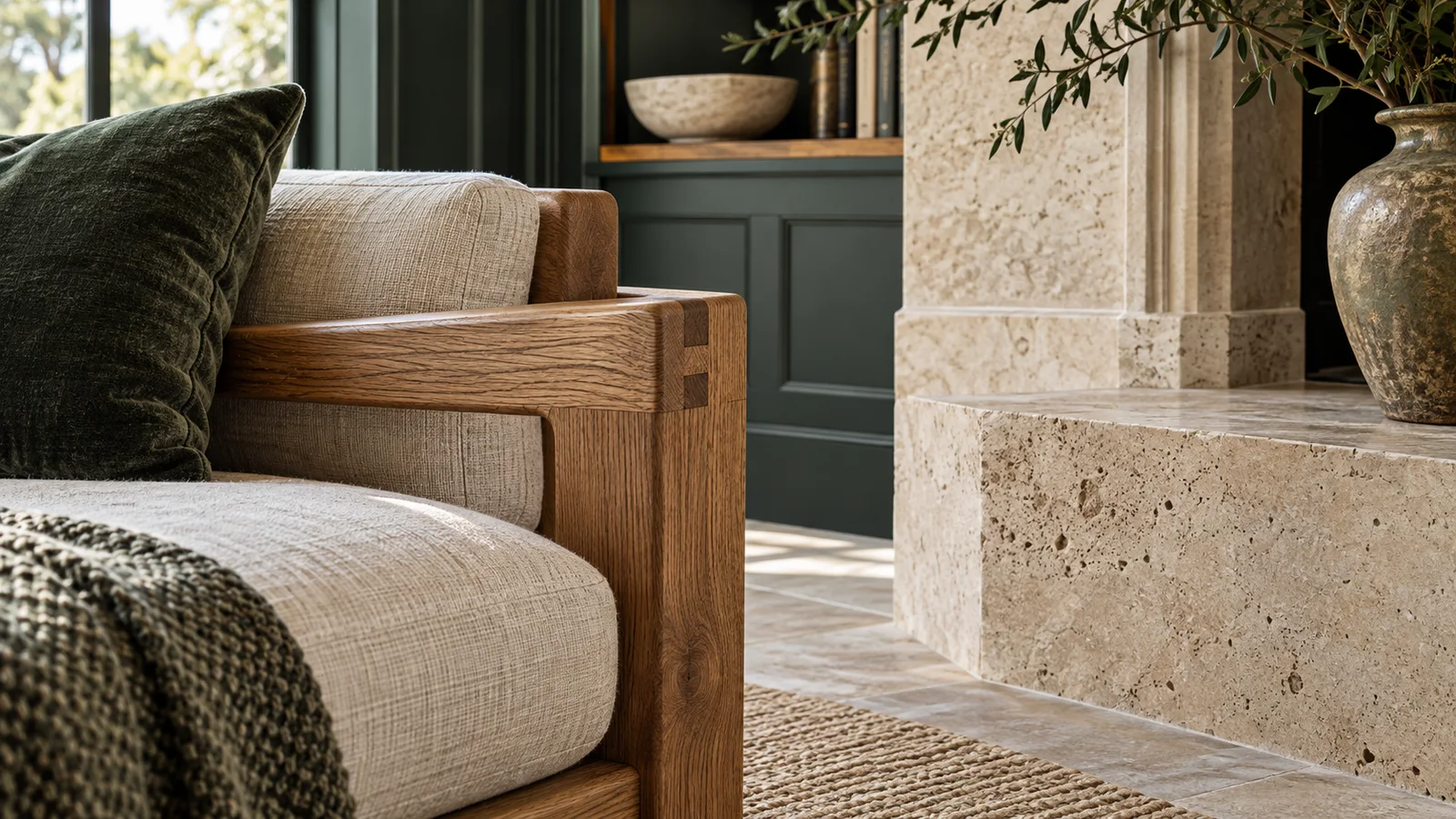
Natural stone offers one-of-a-kind patterns and strong heat resistance, but most types need periodic sealing and can vary slab to slab. Engineered quartz is made from ground quartz and resin; it provides consistent color and does not require sealing, but resin can discolor or warp under intense heat and some products may fade in strong sunlight. Both are widely used; the choice is mostly about look and maintenance preferences. Always view the actual slab, not just a small sample, before buying natural stone.
Dust safety
Cutting and grinding stone, especially engineered stone with high silica content, can create hazardous dust. Occupational safety agencies, including the U.S. Occupational Safety and Health Administration, have focused on silica exposure for fabricators. Homeowners should expect professional fabricators to cut slabs off-site or with proper dust controls and not attempt dry cutting at home.
Sequence and timing
Counters are generally templated after cabinets are installed and fixed in place, then fabricated over days to weeks, and finally installed. Do not schedule backsplash tile until the counters are in. A typical gap between template and installation can run from several days to a couple of weeks, depending on the fabricator's backlog and material availability. See our timeline guide for how this fits the whole project.
Frequently asked questions
Is quartz or granite cheaper?
It depends on the specific product and region; they overlap in price. Compare actual quotes for the slabs you like, including fabrication and installation.
Do granite countertops need to be sealed?
Many do, periodically, though how often depends on the stone. Ask the fabricator for the sealer type and schedule.
Can I put hot pans on quartz?
It is best to avoid it. Heat can damage resin in engineered stone, so use trivets.
Should I choose counters before cabinets?
Choose them in the same planning stage so colors and edge profiles coordinate, but order or template counters only after cabinets are installed.
Sources and further reading
- Occupational Safety and Health Administration — information on respirable crystalline silica and stone fabrication safety.
- Natural Stone Institute — trade association with guidance on stone selection and care.
- Federal Trade Commission — consumer information on warranties and purchases.